On this page 8 sections
Not legal advice. This guide explains what usually counts as emergency maintenance and what three state laws say about repairs. Your lease, your state and your city decide the details. For a specific dispute, talk to a local tenant organization, legal aid office or attorney.
What counts as emergency maintenance
Emergency maintenance is a problem that cannot safely wait for business hours. Most leases and maintenance policies use some version of three tests:
- Someone could get hurt. Gas, fire, smoke, carbon monoxide, exposed or sparking wiring, a person trapped in an elevator.
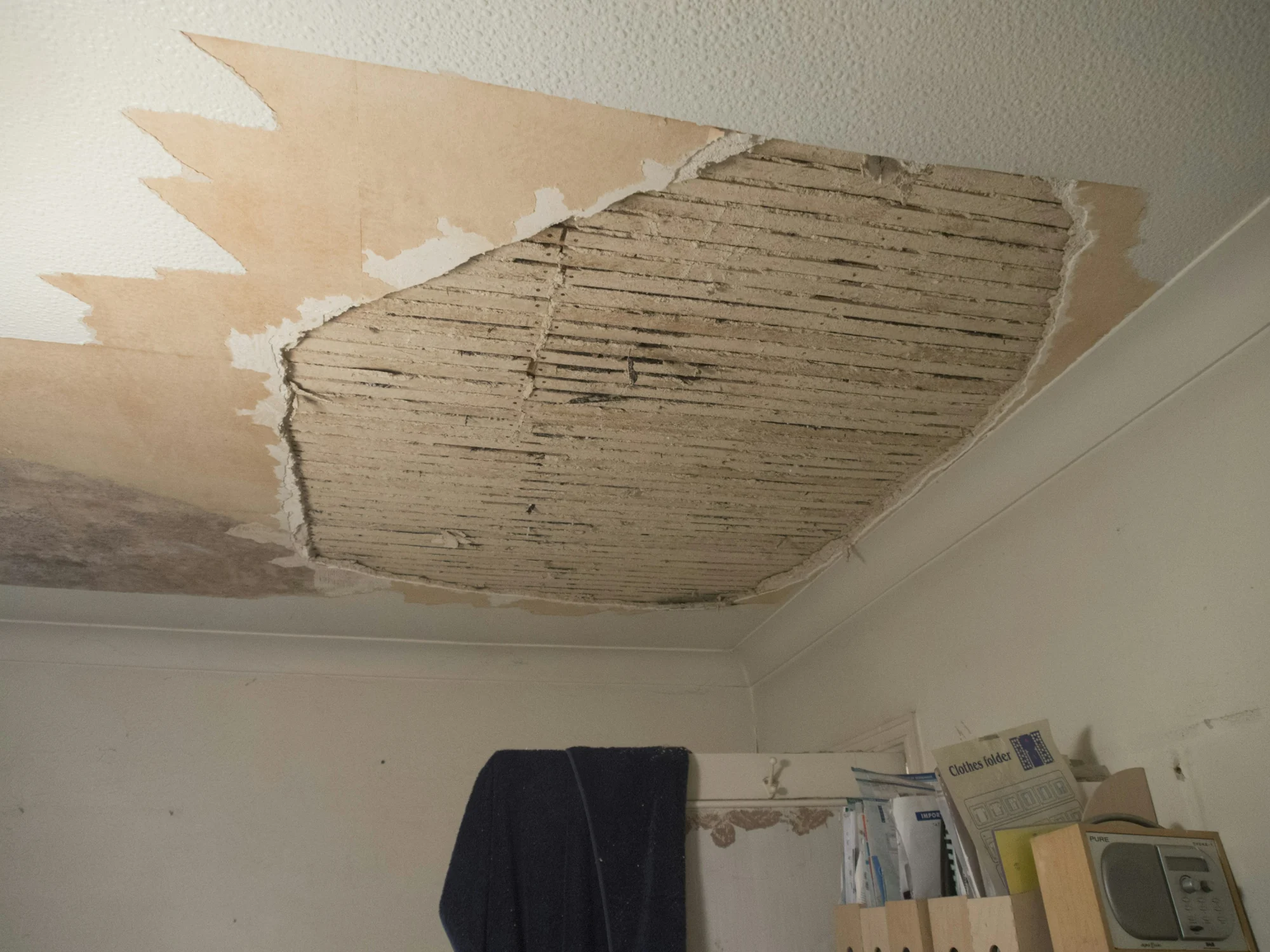
- The building is being damaged right now. Water coming through a ceiling, a burst supply line, a flooded floor, sewage backing up into a tub or floor drain.
- The home has lost something it needs to be livable. No water, no heat in cold weather, no power to the unit, or an exterior door that will not lock.
The everyday list that follows from those tests looks like this:
- Gas smell. Treat it as life safety before maintenance.
- Fire, smoke or a carbon monoxide alarm.
- Active leak or flooding, including a water heater leaking onto the floor.
- Sewage backup into the unit.
- No heat when it is cold outside.
- No running water to the unit, or no hot water in states that set a minimum (Texas does, below).
- Electrical hazard: sparking outlets, burning smells from a panel, water near wiring, total loss of power not caused by a utility outage.
- Broken exterior door, lock or window lock that leaves the home unsecured.
- Elevator entrapment.
- No cooling in extreme heat where the lease or local code requires cooling.
Plenty of problems feel urgent and still wait for morning: a refrigerator that stopped cooling, a single clogged toilet when there is a second bathroom, a garage gate stuck open, a dishwasher that will not drain.
Emergency, urgent and routine, side by side
Property teams usually sort requests into tiers. The names vary. The idea is the same: what has to happen tonight, what goes first in the morning and what goes in the normal queue.
| Tier | Common examples | Why it lands here | What usually happens |
|---|---|---|---|
| Life safety | Gas smell, fire or smoke, carbon monoxide alarm, sparking outlet or panel, someone trapped in an elevator | A person could be hurt in minutes | Call 911 or the gas utility first, then report it to maintenance |
| Emergency | Active leak or flooding, sewage backing up, no water, no heat in cold weather, exterior door or lock that will not secure, total loss of power to the unit | Health, safety or the building is at risk tonight | The on-call technician is paged after hours |
| Urgent | AC out in hot weather where no local cooling rule applies, refrigerator not cooling, only toilet in the unit clogged but not overflowing, one dead burner | Livability is affected but nothing is getting worse by the hour | Top of the next business-day queue |
| Routine | Dripping faucet, running toilet, loose cabinet door, burned-out bulb, small drywall crack | Inconvenient, not harmful | Normal work order during business hours |
The line between the middle rows moves with climate, the building and who lives in the unit. A broken AC in a mild month is urgent. The same failure during a heat wave, in a city with a cooling rule, can be an emergency. If you manage property, our after-hours maintenance playbook covers how to write those tiers, the triage questions to ask and the escalation policy behind them. This guide stays on what the categories mean and what the law says.
Your lease and the law decide
No national definition of "emergency maintenance" exists. Three places set the real answer:
- The lease and the property's maintenance policy. Many leases list emergencies, name the after-hours number and say how requests must be made. Read that section first.
- State landlord-tenant law. It sets the minimum the landlord must repair and how notice works.
- Local housing code. Cities and counties add rules on heat, cooling, hot water and more.
Texas
Texas law does not use the word "emergency." Property Code section 92.052 says a landlord "shall make a diligent effort to repair or remedy a condition" when three things are true: the tenant gives notice to the person or place where rent is normally paid, the tenant is not delinquent in rent when notice is given, and the condition materially affects the physical health or safety of an ordinary tenant. The same section also covers a hot water heater that cannot supply water at a minimum of 120 degrees Fahrenheit.
Section 92.056 sets when the landlord becomes liable. Among other conditions, the tenant must send a later written notice after a reasonable time, unless the first notice went by certified mail, return receipt requested, registered mail or another trackable delivery service. The statute adds that "there is a rebuttable presumption that seven days is a reasonable time," and a court weighs when notice arrived, how severe the condition is and whether materials, labor and utilities were available.
The Texas Attorney General's renters' rights page lists the remedies if the landlord still does not act: end the lease, repair and deduct the cost from rent, or sue to force repairs. It advises consulting an attorney first. It also says justice courts can order repairs for health or safety conditions up to $10,000, that renters cannot withhold rent over conditions that do not materially affect health or safety, and that landlords cannot retaliate against a good-faith repair complaint for six months.
So for "what is considered emergency maintenance in an apartment in Texas," the practical answer is the health-or-safety test plus your lease. A gas leak or a flooding unit clearly passes it. Seven days is the presumption, and a condition that serious usually calls for much faster action.
California
Civil Code section 1941.1 lists what makes a dwelling "untenantable." The list includes effective waterproofing and weather protection, plumbing or gas facilities in good working order, hot and cold running water connected to an approved sewage system, heating facilities in good working order, electrical lighting with safe wiring, clean premises, adequate garbage receptacles and floors, stairways and railings in good repair. For leases entered into, amended or extended on or after January 1, 2026, it adds a working stove and refrigerator, with exceptions such as units in buildings with shared kitchens.
Florida
Florida Statutes section 83.51 requires the landlord to comply with applicable building, housing and health codes. Unless otherwise agreed in writing, the landlord of a unit other than a single-family home or duplex must also make reasonable provisions for extermination, locks and keys, clean and safe common areas, garbage removal, and "functioning facilities for heat during winter, running water, and hot water." Cooling is not on that list. SB 322 (2026), which would have added "functioning facilities for cooling," died in the Regulated Industries committee on March 13, 2026.
Cities with cooling rules
Local code can turn a broken AC into an emergency. Multifamily Dive reported in 2024 that Dallas has required since 2017 that air conditioning keep rooms at 85 F or below, and that a New Orleans rule effective in 2024 requires cooling that can hold bedrooms at 80 F. Check your own city's housing code.
When emergency maintenance is not answering
A missed call at night is frightening, especially with water on the floor. Work through these steps in order.
- Get safe first. For a gas smell, leave on foot, avoid anything that could make a spark, and call the gas utility and 911 once you are at a safe distance. That is the guidance from CenterPoint Energy, which also says never to try to find or fix a leak yourself. If a carbon monoxide alarm sounds, the Oregon State Fire Marshal says to get everyone outside into fresh air and call 911 from outside. Fire, smoke and someone trapped in an elevator are 911 calls too.
- Limit the damage if it is safe. Close the shut-off valve under the sink or toilet, or the unit's main valve if you know where it is. Move belongings away from water. Do not touch electrical fixtures near water.
- Document everything. Photos and video with timestamps, the times you called, who you reached and what they said. Save voicemails and texts.
- Keep trying every channel. Call the emergency line again, the office line and the portal or app. Some properties list a backup number in the lease or on the door of the leasing office.
- Send written notice. Follow your lease and state law on how. In Texas, a dated letter sent by certified mail, return receipt requested, can count as both the first and the follow-up notice. Keep a copy.
- Get advice before you withhold rent or repair it yourself. Remedies like repair and deduct have strict steps. A local tenant council, legal aid or an attorney can tell you what applies.
What a good emergency line looks like, for managers
Renters do not grade maintenance only on the fix. In Zego's 2026 Resident Experience Management Report, 60% of renters surveyed said they expect maintenance issues resolved within two days, and 89% rated maintenance status updates as important or extremely important. The same report puts turnover at about $4,000 per unit, citing its earlier research. A dead emergency line affects all three.
A line that holds up at night has a few traits:
- A person or system picks up. Voicemail on an emergency number is the failure renters remember.
- Life safety comes first. Callers reporting gas, fire, smoke or carbon monoxide hear the 911 or utility instruction before anything else.
- The emergency list is written down per property, so whoever answers sorts calls the same way.
- Every call becomes a ticket with a timestamp, so the morning team knows what happened.
- The page has a deadline. Someone named must acknowledge within a set window, or the page moves to the next person.
- The resident hears back with who is coming and roughly when, and again if that changes.
- Records match the law. In states like Texas where written notice and repair time matter, a clean log of when the property learned about a condition protects both sides.
Where TowerLine AI fits
TowerLine AI does not decide what counts as an emergency at your property. You write that list, and your lease and local code shape it. Once it is written, the AI concierge is set up per property to answer resident calls around the clock in the caller's language and ask the triage questions for each tier. On a call that sounds like gas, fire or carbon monoxide, it is set up to give the 911 or utility instruction first. On a leak or flood, it opens the work order during the call with the location, notes and permission to enter, and pages the on-call person your escalation policy names. The transcript stays on the ticket, so the day team and the resident can see when the property was told. Listen to how that sounds on a flood call.
Frequently asked questions
What is considered a maintenance emergency in an apartment?
A problem that threatens someone's health or safety or is damaging the building right now. Typical examples are a gas smell, fire or a carbon monoxide alarm, an active leak or flood, sewage backup, no heat in cold weather, no running water, an electrical hazard, a broken exterior lock and an elevator entrapment. Check your lease for your property's own list.
Is a broken AC an emergency maintenance request?
It depends on where you live and on the lease. Some cities set a maximum indoor temperature; Dallas, for example, requires cooling that keeps rooms at 85 F or below. Neither the Texas nor the Florida repair statute names air conditioning, so outside such a local rule a broken AC is often treated as urgent rather than an emergency, unless heat puts someone at risk.
What is considered emergency maintenance in an apartment in Texas?
Texas law does not use the word emergency. Under Property Code section 92.052, a landlord must make a diligent effort to repair a condition that materially affects the physical health or safety of an ordinary tenant, after notice, while rent is current. Section 92.056 presumes seven days is a reasonable time to repair, and a serious condition can call for less.
What should I do if apartment emergency maintenance is not answering?
Get safe first and call 911 or the gas utility for fire, gas or carbon monoxide. Then limit the damage if you can do so safely, document the problem with photos and times, keep calling the emergency line and the office, and send written notice the way your lease and state law require. Ask a local tenant organization or attorney before you withhold rent or make repairs yourself.
Can a renter call a plumber and deduct the cost?
Some states allow it under strict conditions. In Texas, repair and deduct is one of the remedies the Attorney General's renters' rights page lists when a landlord fails to repair a health or safety condition after proper notice, and it advises talking to an attorney first. Follow the statute's steps exactly, or the deduction can be treated as unpaid rent.
Sources
- Texas Property Code: Section 92.052, Landlord's duty to repair or remedy and Section 92.056, Landlord liability and tenant remedies (text checked through Public.Law, section 92.052 and section 92.056, retrieved October 27, 2026)
- Office of the Texas Attorney General: Renters' rights (retrieved October 27, 2026)
- California Civil Code: Section 1941.1, Untenantable dwellings (text checked through Public.Law, retrieved October 27, 2026)
- The Florida Senate: Section 83.51, Florida Statutes (2026), Landlord's obligation to maintain premises and SB 322 (2026) (retrieved October 27, 2026)
- Multifamily Dive: Tenant right-to-cooling laws, August 26, 2024 (retrieved October 27, 2026)
- CenterPoint Energy: What should you do if you smell natural gas? (retrieved October 27, 2026)
- Oregon State Fire Marshal: Carbon monoxide (retrieved October 27, 2026)
- Zego: 2026 Resident Experience Management Report (renter survey conducted February to March 2026 by SA Market Insights; retrieved October 27, 2026)
This article is general information, not legal advice. Laws change; check the current statute and your local code.